Overview
SPOON-iT is an innovative health-tech concept designed to prevent nutrition-related diseases by empowering people with dietary restrictions and their caregivers. The solution revolves around a smart spoon capable of real-time analysis of food components, providing immediate feedback on potentially harmful ingredients and nutritional values.
Project Details
Year: 2019
Role: Product Designer & Lead Developer
Team: Multi-disciplinary team of 5, including designers, marketers, and entrepreneurs.
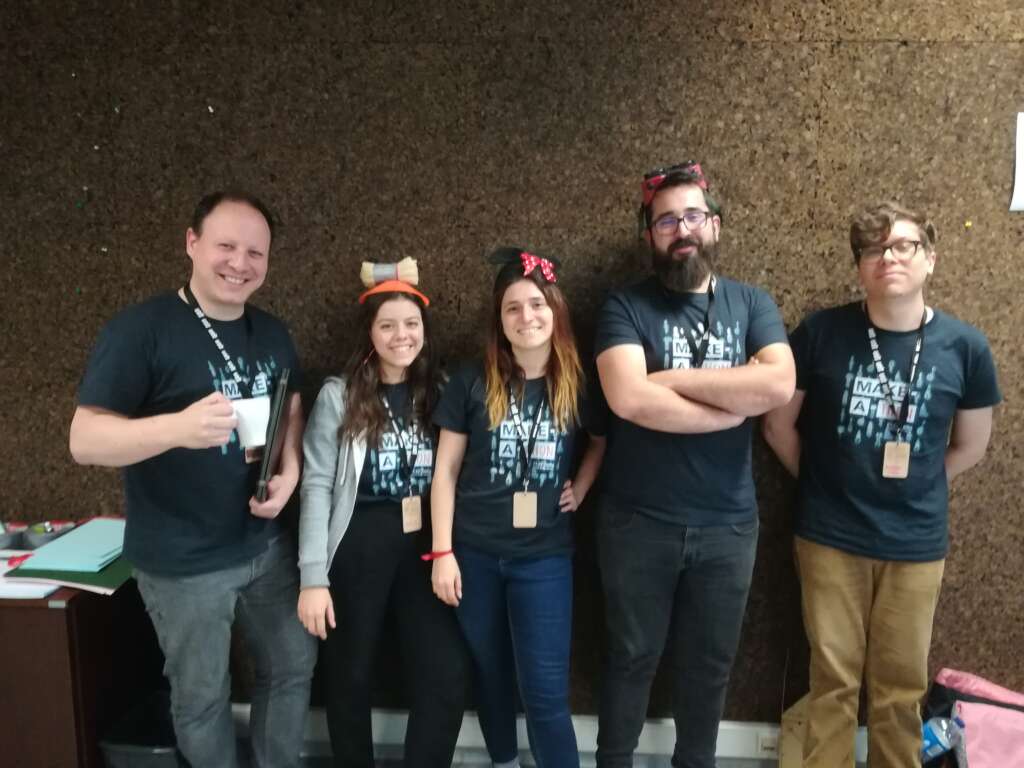
As the sole programmer and one of the product designers, I was responsible for both shaping the user experience and developing the functional prototype. I collaborated closely with the team to ensure our solution was both user-friendly and technically feasible.
The Challenge
Nutritional diseases, such as hypertension and diabetes, are increasing globally and often result from poor dietary habits. Informal caregivers, like family members, often lack reliable tools to ensure meal safety for people with food restrictions.
Research & Discovery
We began by researching the dietary habits of people with restrictions, interviewing informal caregivers, and exploring existing solutions. Our research revealed:
Caregivers often rely on manual checks and guesswork, leading to anxiety and potential mistakes.
Users desired simple, non-invasive tools to verify food safety.
Trust and ease of use were critical for adoption, especially for older adults or non-technical caregivers.
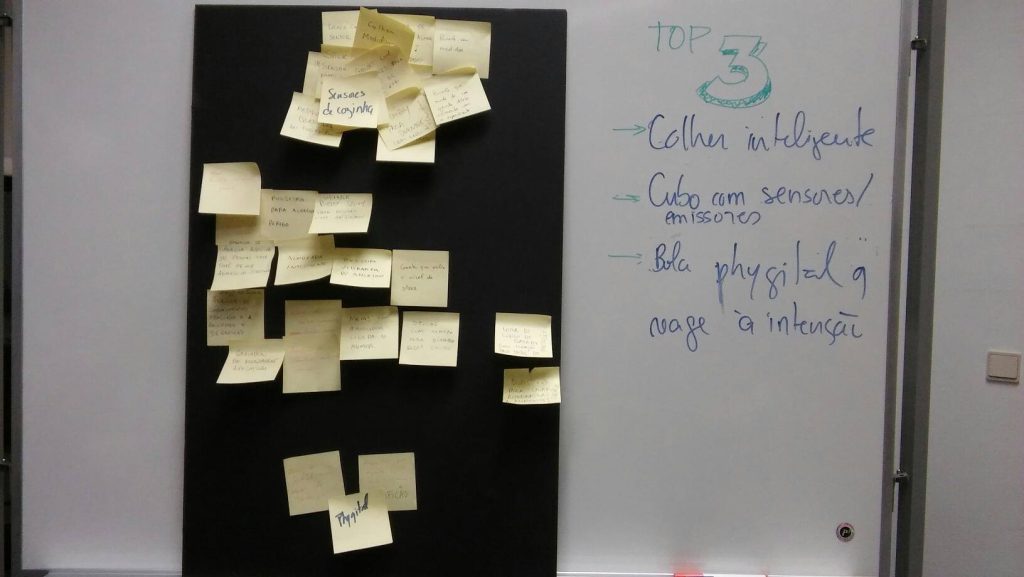
These insights shaped our direction towards designing a familiar, everyday object: a spoon. By embedding smart sensors into the spoon, users could receive immediate feedback about their food without disrupting their routine.
Process
We approached this project by combining human-centered design principles with hands-on prototyping.
Step 1: Defining the Hypothesis
We started with the assumption that a simple, real-time tool could assist informal caregivers and individuals to make better food choices by instantly analyzing meal components.
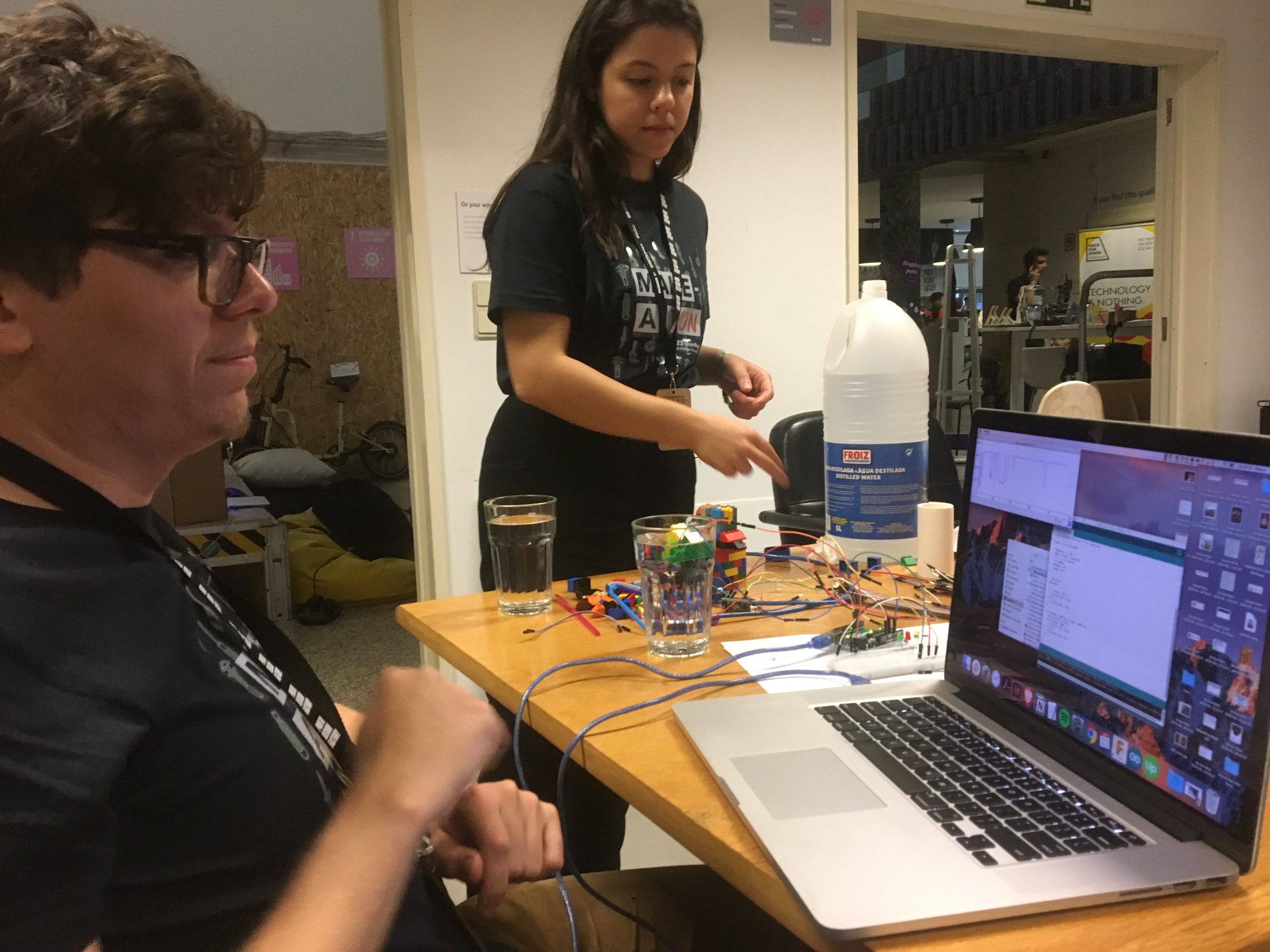
Step 2: Technical Exploration
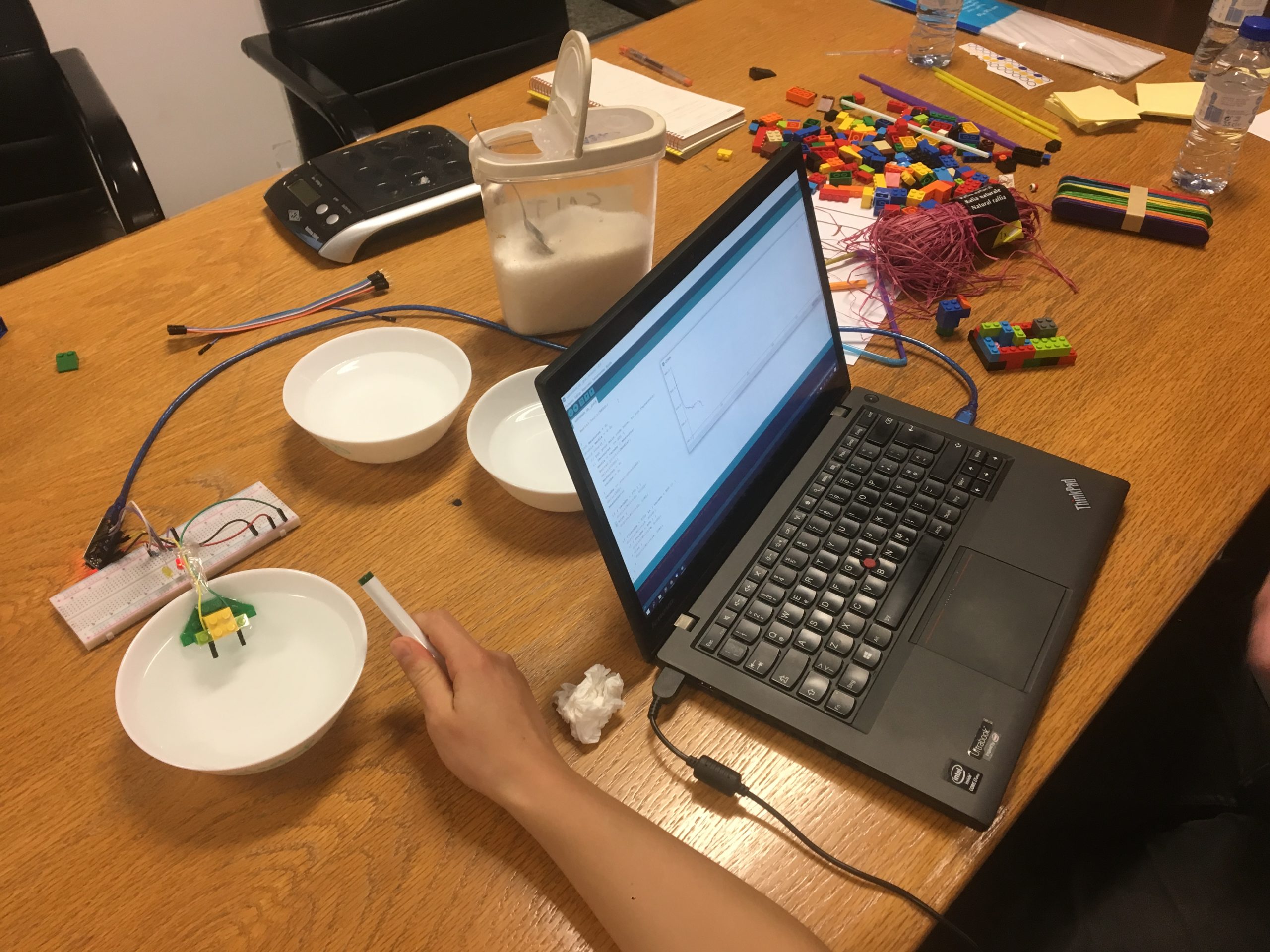
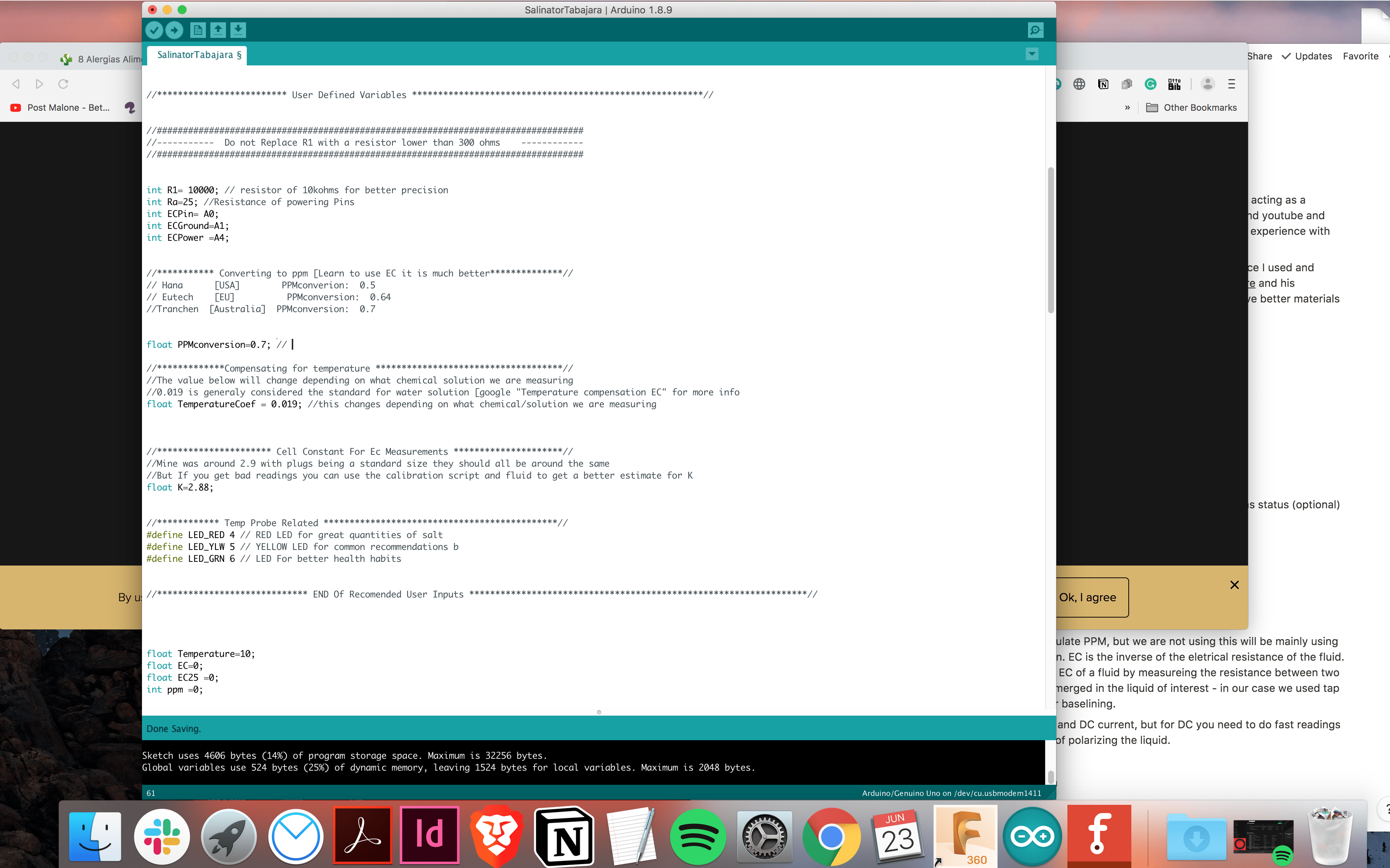
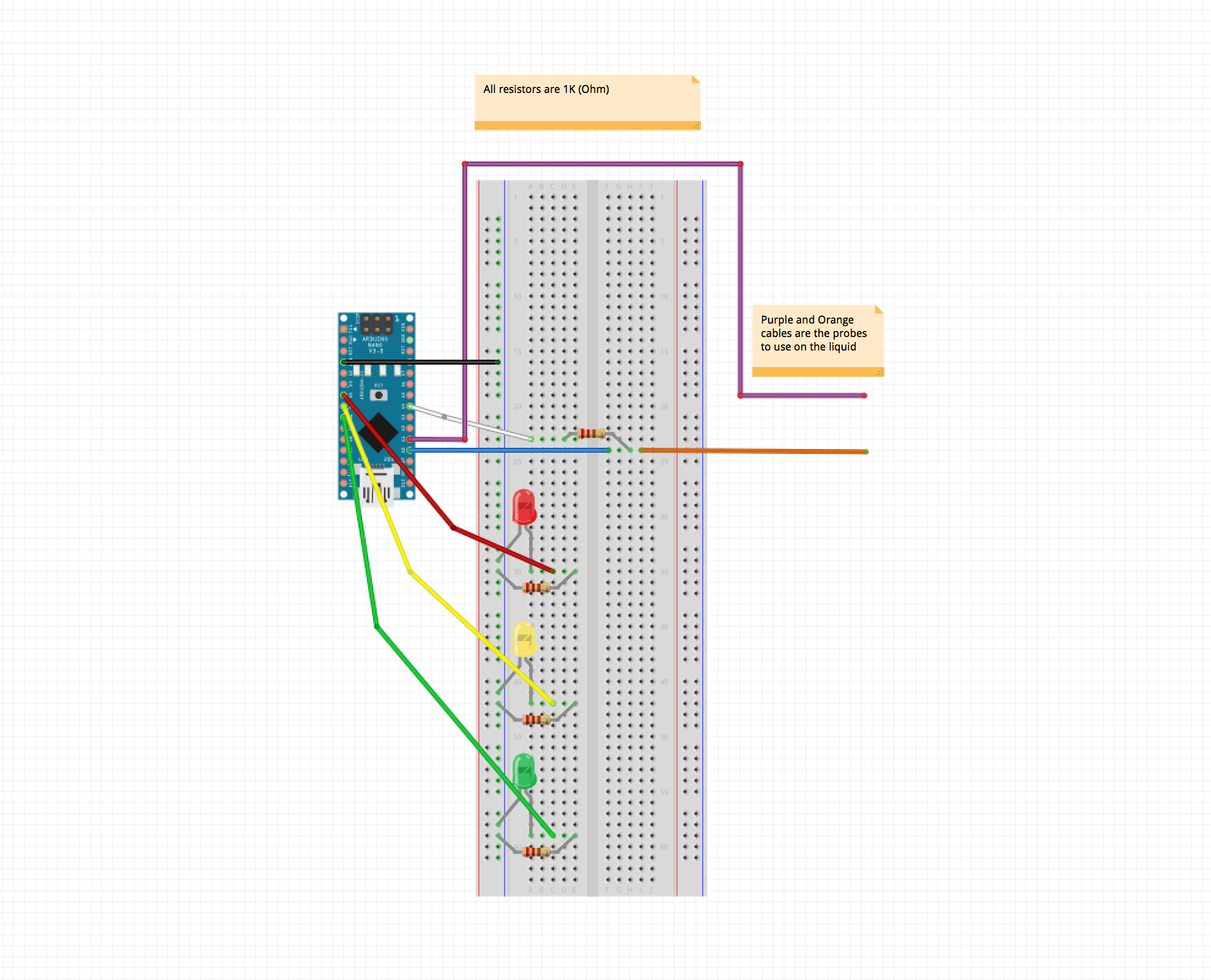
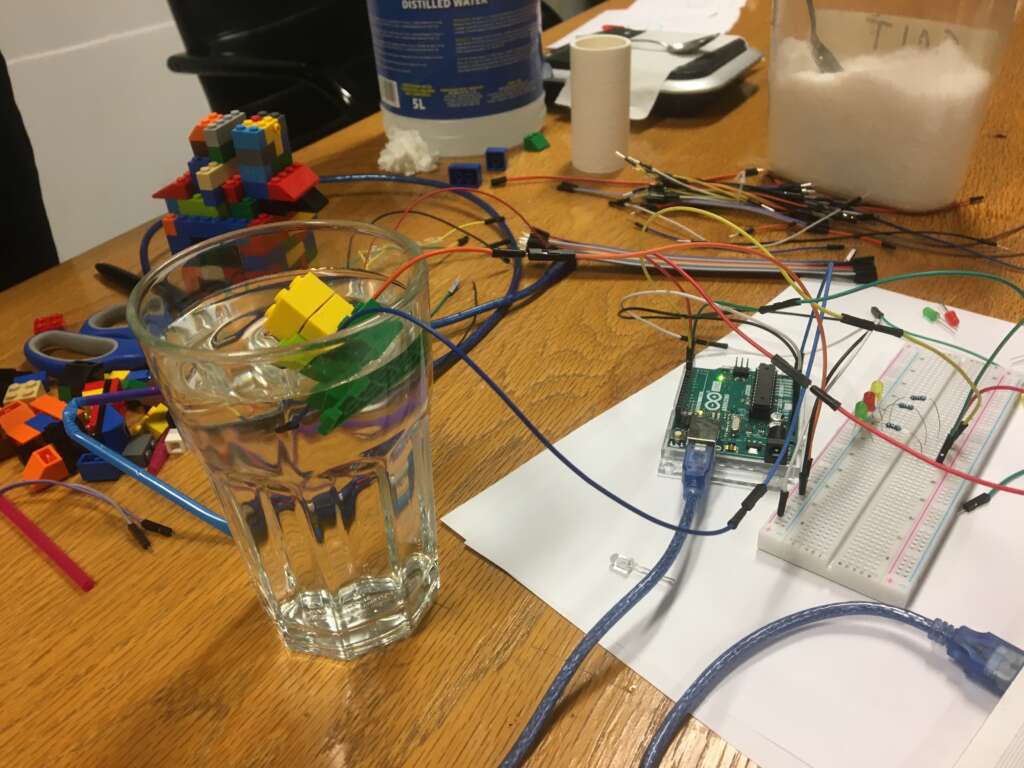
To validate this idea, we developed an EC (Electrical Conductivity) meter that acts as a salinometer — a device that estimates the salinity level of a liquid by measuring resistance between two submerged probes.
We used an Arduino Nano as the microcontroller.
Adapted open-source code from Michael Ratcliffe’s resources (YouTube and blog).
Focused on EC (Electrical Conductivity) as the main unit of measurement for estimating the concentration of salts and dissolved solids.
Materials included: MCU, 10k ohm resistor for the probe, two patch cables, and three LEDs for visual indication.
Step 3: Prototyping & Iteration
We assembled the components and tested the device with various liquids to ensure accurate readings. Although our solution was low-cost, it delivered reliable data, proving that simple hardware could solve meaningful problems.
Step 4: User-Centered Considerations
While the prototype focused on functionality, we continuously discussed potential user scenarios:
How caregivers could use it while preparing meals
How visual cues (LEDs) could indicate safe or risky levels
The need for portability and ease of use in daily routines

Solution
The result was a working prototype of a ‘smart spoon’ that provides real-time readings of food salinity and potential harmful components.
For informal caregivers: A practical tool to assist in designing safer meals for people with dietary restrictions.
For individuals: An accessible, preventive tool to raise awareness of everyday eating habits.
The project demonstrated that even with inexpensive materials and simple technology, it’s possible to create impactful solutions for real-life health challenges.
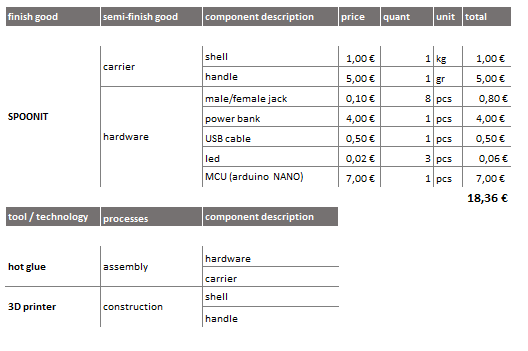
Costs of production for the Spoon-IT product
Learnings
Accessibility matters: We learned that affordable hardware can democratize health-focused tools.
Prototype over perfection: Early prototypes helped us quickly validate the concept and gather feedback.
Human-centered focus: Even in hardware projects, considering user scenarios and pain points made the solution more meaningful.
Reflections
Spoon-IT was an inspiring exercise in merging design thinking with physical prototyping. While still at an early concept stage, the project proved the potential of accessible health tech. In future iterations, we would explore:
Usability testing with caregivers and individuals with dietary restrictions
Integration with mobile apps for deeper insights
Improving the ergonomics and aesthetics of the device
Final Thoughts
We were able to build an affordable and precise solution to our problem, and we believe that the Spoon-IT project can change the world for the better by promoting healthy eating habits and preventing nutritional diseases.
The project is open-source and you can find the 3D materials, code and more on the Wikifactory page