Skip to content Skip to footer

Trip Planner

Overview

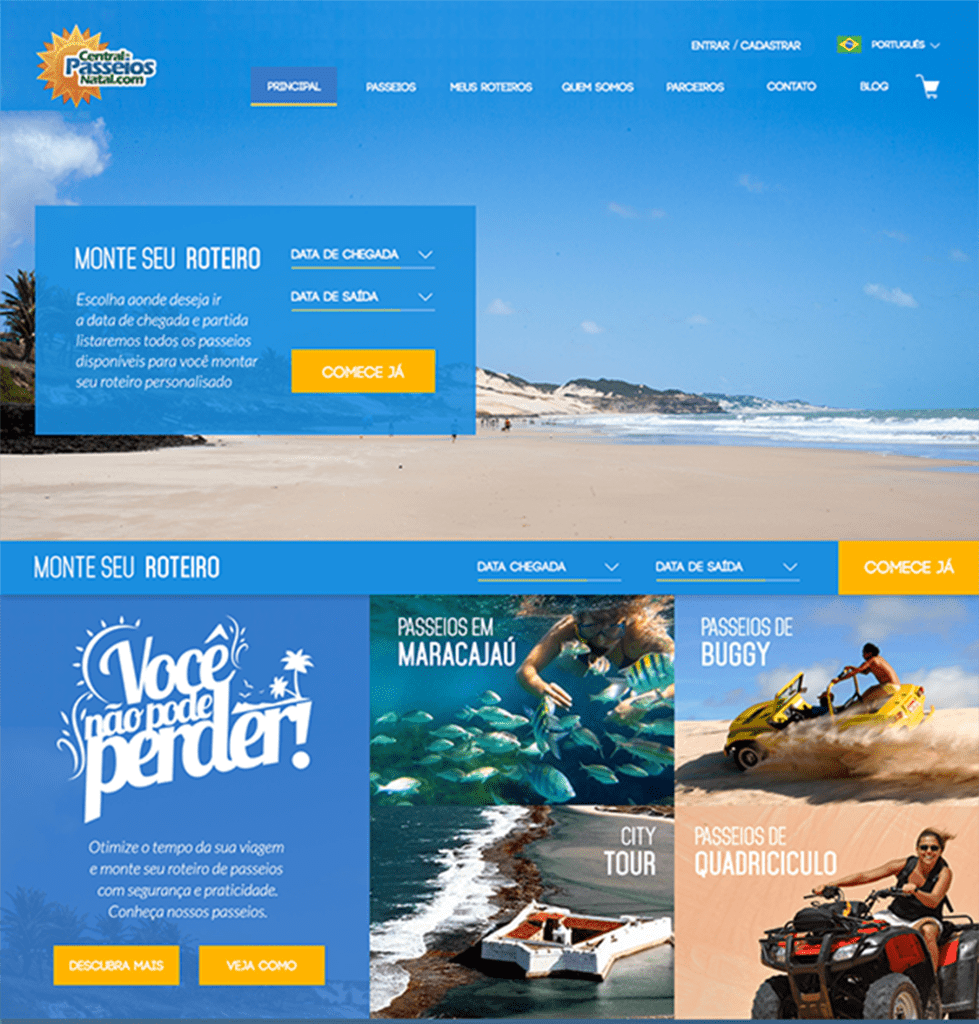
The Trip Planner project involved a complete redesign of a city tours website for a local client in Natal, Rio Grande do Norte, Brazil. Known for its breathtaking beaches and welcoming atmosphere, Natal attracts tourists from around the world. The goal of this project was to better showcase the beauty of the city and provide a seamless, user-friendly platform for visitors to book tours effortlessly.

Project Details

Year: 2016
Client: Independent city tour operator, Natal, Brazil
Role: UX/UI Designer
Team: Sole designer, collaborated closely with the client and development team.

The Challenge

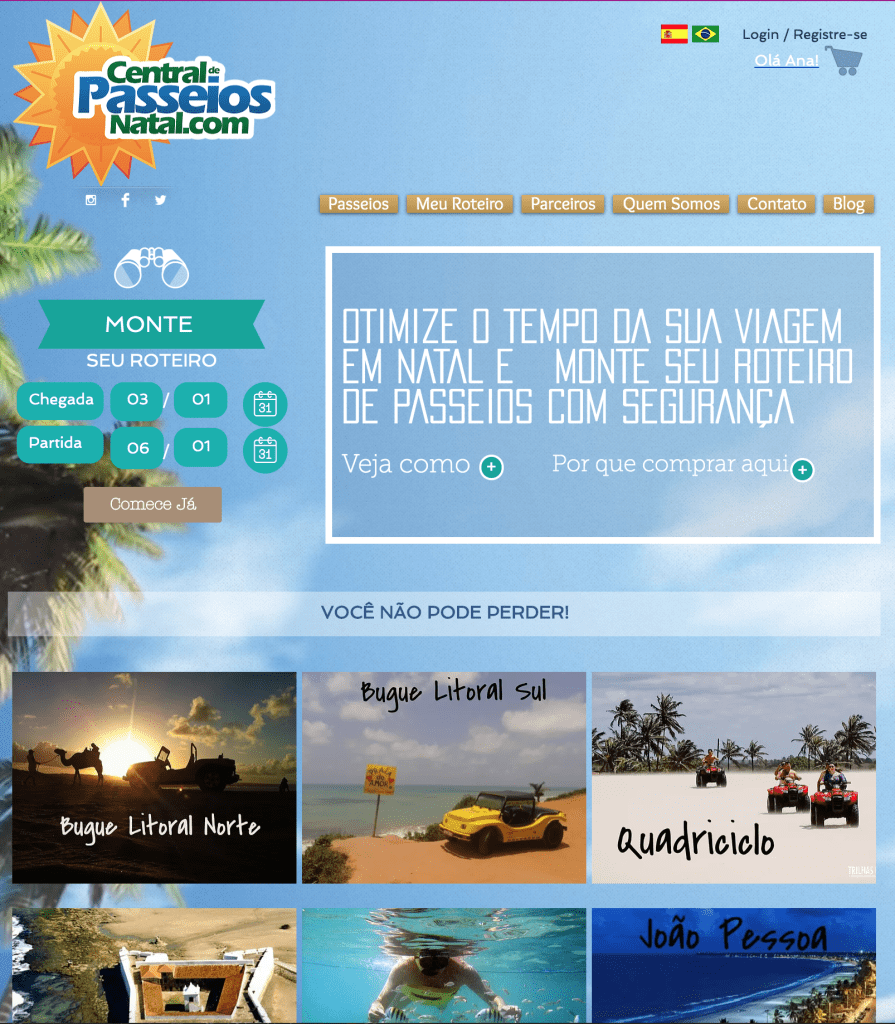
The original website was outdated, cluttered, and difficult to navigate. Users struggled to find relevant tour information, and the website design failed to inspire confidence or excitement about visiting Natal. Additionally, the client had limited control over the content due to technical constraints of the previous platform, resulting in a poor user experience.

Key Pain Points:

  • Overwhelming amount of unstructured content.

  • Lack of hierarchy in information architecture.

  • Poor visual design that did not reflect the vibrancy of the city.

  • Limited accessibility and mobile responsiveness.

  • Minimal differentiation from competitors.

Research & Discovery

I began with market research and a competitor analysis to understand best practices and opportunities in the travel and tourism space. This included:

  • Benchmarking leading local and global tour booking platforms.

  • Conducting user interviews with potential tourists to understand their expectations.

  • Reviewing customer feedback on the existing platform.

Insights Gathered:

  • Users wanted clear pricing, high-quality visuals, and simplified booking flows.

  • Trust indicators (e.g., customer reviews, secure payment options) were critical.

  • Competitors lacked emotional connection and storytelling about the city.

Strategy & Approach

Working closely with the client, I redefined the website strategy with a focus on clarity, usability, and emotional engagement:

Information Architecture:

  • Reorganized the content to guide users intuitively through discovering tours, understanding pricing, and completing bookings.

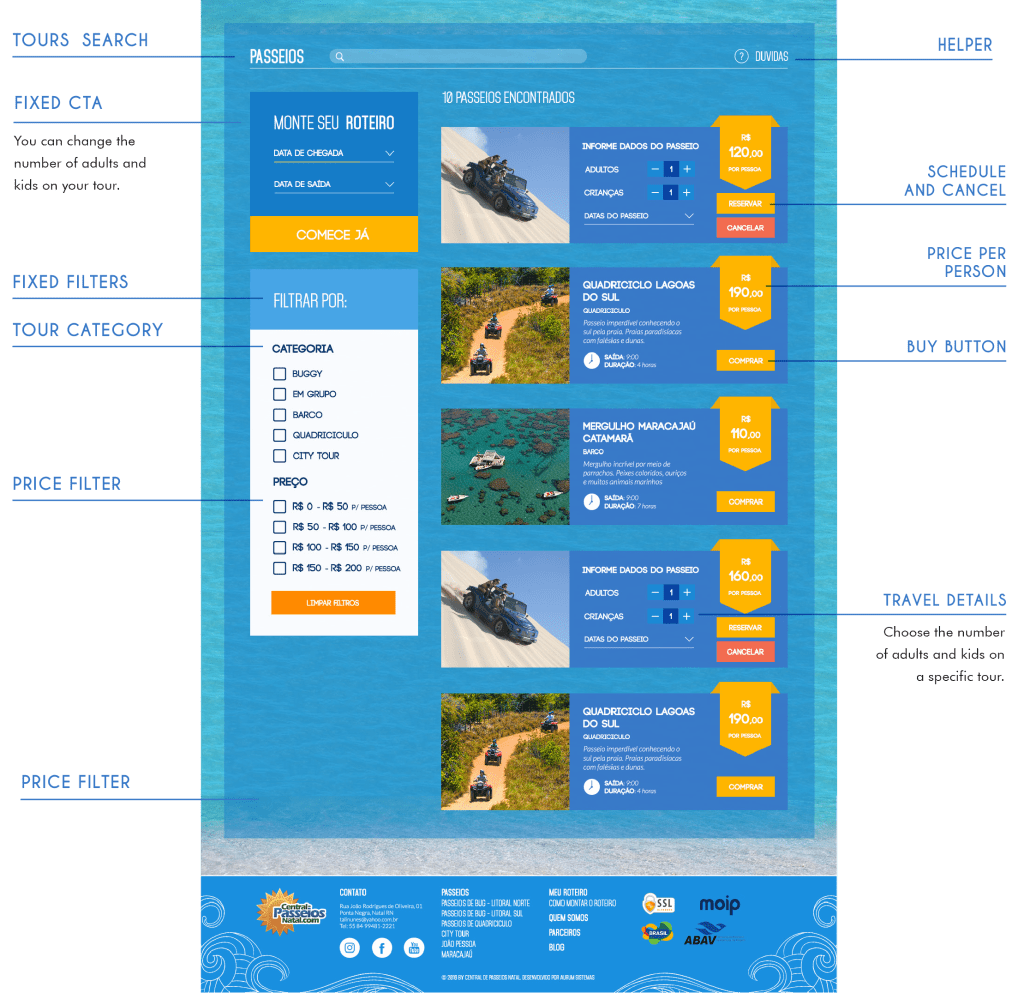
  • Introduced filtering and categorization of tours (e.g., beaches, cultural, adventure).


Visual & Interaction Design:

  • Developed a modern, mobile-friendly design system inspired by Natal’s natural beauty.

  • Used large, vibrant images of the city to capture attention and build excitement.

  • Improved typography and color contrast for better readability and accessibility.
UX Enhancements:

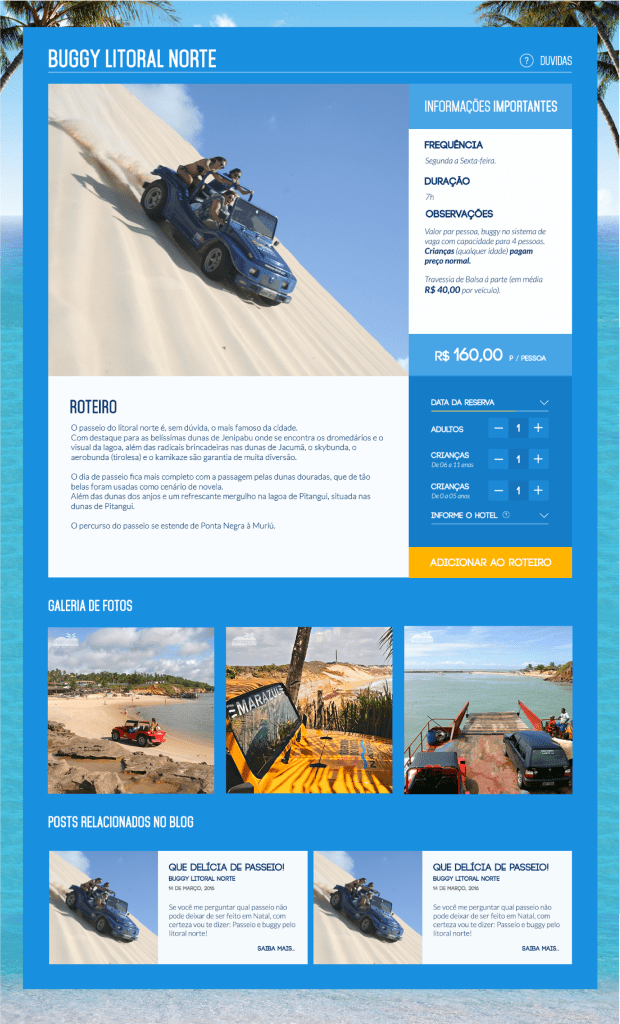
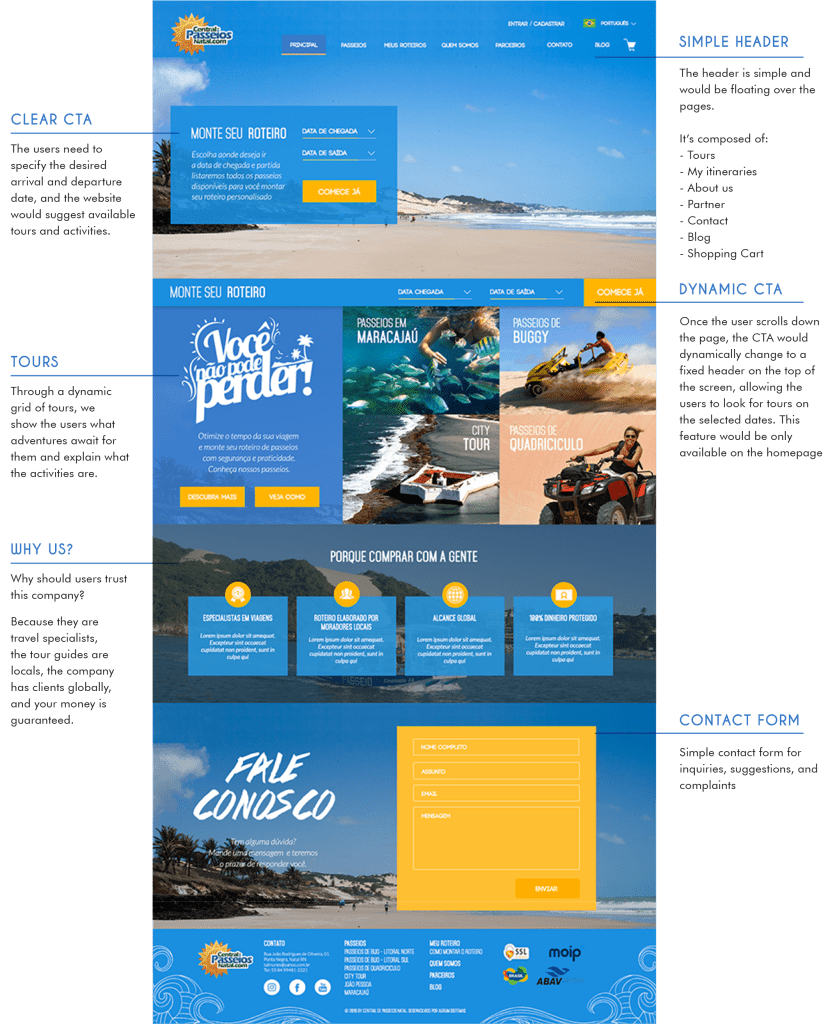
  • Simplified the booking process into clear, digestible steps.

  • Added customer reviews and trust badges to increase credibility.

  • Ensured full responsiveness for mobile users, as many tourists book tours on the go.
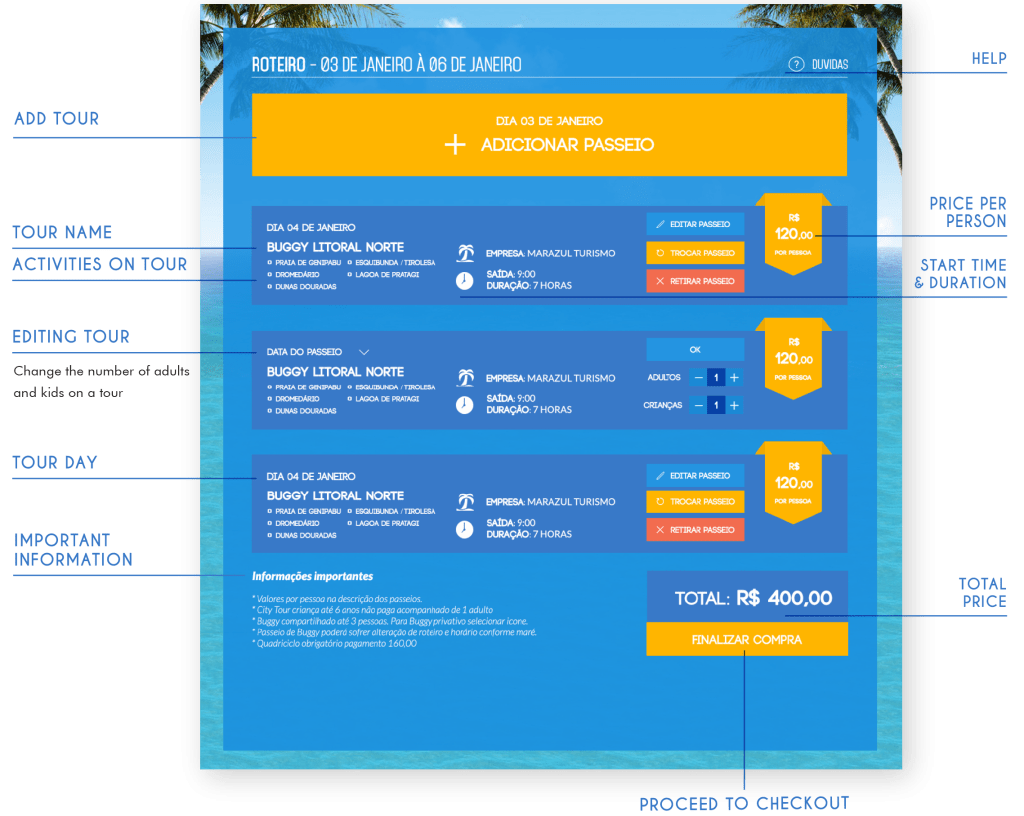
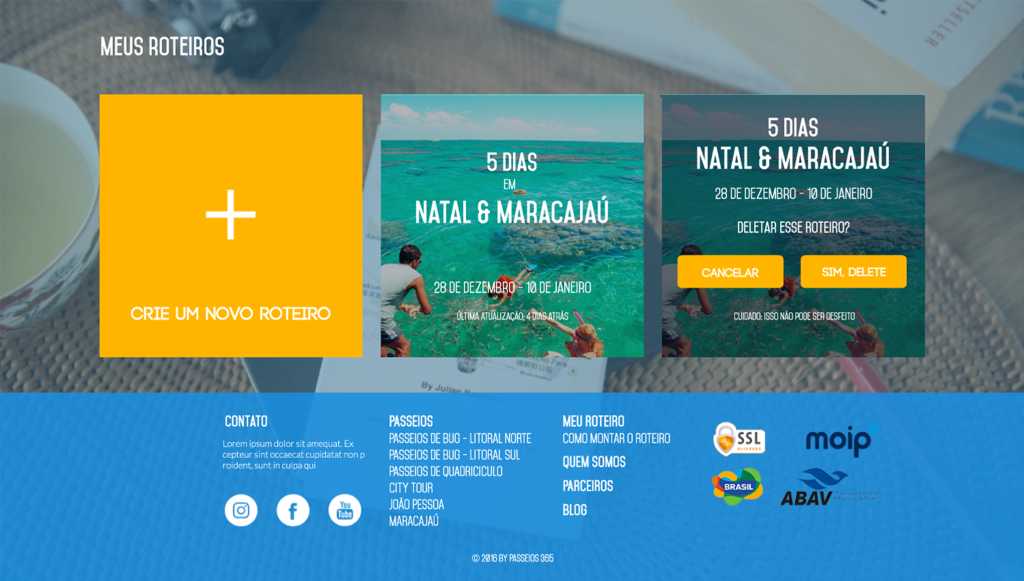
Another feature that I designed is the ability to build multiple itineraries, enabling agencies from other countries to create custom itineraries for their customers or use pre-defined templates to save time when planning trips.
Results & Impact

  • Positive feedback from the client and users regarding the clarity and ease of use.

  • Increased booking inquiries shortly after launch (exact metrics unavailable, but qualitative feedback indicated improvement).

  • Client reported feeling empowered to manage content independently post-launch.

Old Website


New Proposal

Challenges & Learnings

Challenges Faced

  • The project was initially delayed due to misalignment between the client and the development team.

  • I had to step in to assist a junior designer and ensure the project moved forward.

  • The client had external influences limiting the scope of branding improvements.

What I Learned

  • Collaboration is key: A well-designed product can fail if not implemented correctly. Close coordination with development teams is crucial.

  • Advocating for UX is essential: Helping clients understand the value of user experience ensures better buy-in.

  • Designing for flexibility: The modular approach allowed for future scalability, making the platform adaptable to evolving needs.

Final Thoughts

Despite initial setbacks, the redesign successfully improved the user experience and enhanced the company’s ability to attract and convert customers. If I were to revisit this project, I’d push for more user testing and refine the itinerary feature based on real-world feedback.


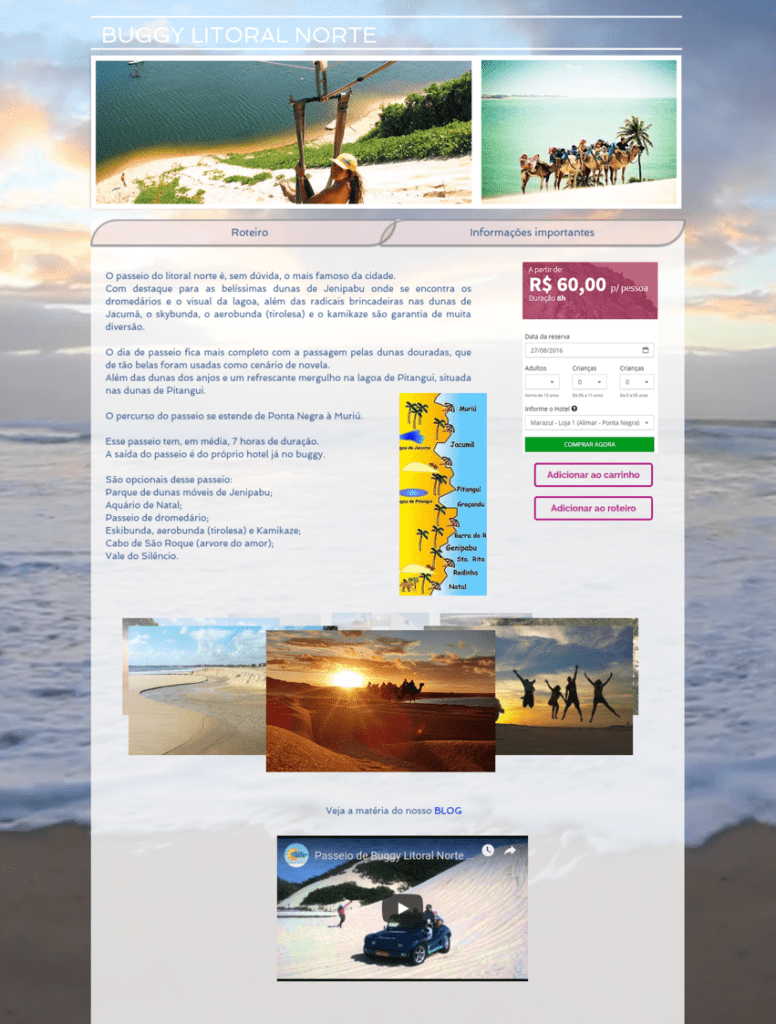
Previous Tour Details


Redesigned Tour Details